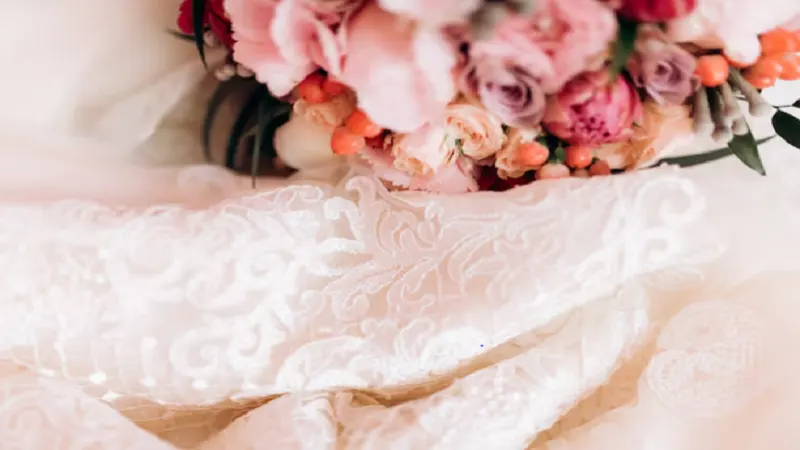
Choosing the right fabric is a pivotal step in creating the perfect bridal gown. From the initial design concept to the final stitching, the fabric influences not only the look but also the feel and durability of the wedding dress.
In this complete guide, we will examine the key factors to consider when selecting bridal fabrics, as well as some popular options currently available on the market.
Understanding Your Style
Before diving into beglarianfabrics.com fabric choices, it’s essential to clarify your desired bridal style. Are you envisioning a classic, contemporary, bohemian, or vintage look? Your style will guide your fabric selection:
- Classic: A-lines and ball gowns often feature luxurious fabrics, such as satin or silk.
- Contemporary: Sleek, clean lines benefit from fabrics like crepe or mikado.
- Bohemian: Lighter fabrics such as chiffon and lace can create a relaxed, romantic look.
- Vintage: Consider rich fabrics like brocade or organza that evoke an earlier era.
Fabric Properties
Understanding the properties of different fabrics will help you make an informed choice. Here are some key properties to consider:
Weight
The weight of the fabric affects how it drapes and moves. Lighter fabrics like chiffon and organza are airy and flowy, making them ideal for layered looks and gowns with movement. Heavier fabrics like satin and mikado offer structure and can create a more tailored silhouette.
Drape
Drape refers to how the fabric flows and hangs. Fabrics with a good drape, such as silk and jersey, can create elegant, form-fitting styles, while stiffer fabrics like tulle can provide volume and support.
Texture
Texture adds depth and interest to your gown. Consider fabrics like lace for intricate detailing or bumpy tweed for unique visual interest. Mixing textures can also create a dynamic look.
Stretch
Some fabrics stretch, while others do not. If comfort is a priority, look for fabrics with some elasticity, like spandex blends or stretch satin. This can provide ease of movement during your big day.
Popular Bridal Fabrics
Now that we’ve covered the fundamental properties of fabrics, let’s explore some popular options for bridal attire.
Satin
Satin is a heavyweight fabric known for its glossy finish. It photographs beautifully and holds its shape well, making it a favourite for more formal gowns. Satin can be made from silk or polyester and is excellent for structured designs that require clean lines.
Chiffon
Light and airy, chiffon is perfect for brides looking for a romantic and soft appearance. This fabric drapes beautifully and is often used for overlays or sleeves. It’s ideal for layering in combination with other fabrics to create texture.
Tulle
Tulle is a lightweight, net-like fabric often used for veils and skirts. It adds volume to skirts and can be incorporated into layered designs. Tulle’s delicate nature creates a fairy-tale vibe and works well for whimsical or vintage-inspired gowns.
Organza
Similar to tulle but crisper, organza offers structure while still retaining a light feel. It can be used as an overlay for skirts or to create puffy sleeves. Its shine and texture add a touch of elegance to bridal designs.
Lace
Lace is an exquisite choice for detailing and can be used for bodices, sleeves, and overlays. There are many types of lace, including Chantilly, Alençon, and Guipure, each offering different patterns and textural elements. Lace can create a vintage or classic style depending on how it is incorporated into the gown.
Mikado
Mikado is a blend of silk and nylon, creating a luxurious fabric that has a beautiful sheen. It combines the best properties of silk and satin, offering both structure and softness. Mikado is excellent for a modern gown with clean lines and structured silhouettes.
Fabric Color
While white is traditionally the color of choice for bridal gowns, exploring various shades can also enhance your gown’s aesthetic. Ivory, cream, and even pastel colors can provide a fresh alternative to the classic white gown.
Ordering fabric swatches can help you assess which color best complements your skin tone and coordinates with your wedding’s color theme. Take swatches outdoors to see how they look in natural light; this often reveals subtle differences you might not notice indoors.
Comfort is Key
The comfort of your bridal gown is vital, especially since you’ll be wearing it for an extended period. Look for fabrics that have a soft lining to eliminate itchiness and irritation. Soft materials like charmeuse or habotai can be used as linings, providing additional comfort against the skin.
Furthermore, consider how the chosen fabric will breathe. Fabrics made from natural fibers like cotton or silk tend to be more breathable than synthetic alternatives. If you’re getting married in a warmer climate, prioritize these breathable fabrics to keep you comfortable throughout the day.
Sustainability Matters
Today’s brides are increasingly concerned with eco-friendliness and sustainability in their wedding choices. Many fabric options, such as organic cotton, Tencel, or recycled polyester, offer sustainable alternatives without compromising aesthetics.
When shopping for bridal fabrics, record whether the supplier takes eco-friendly practices into account or sources materials sustainably. This consideration can not only minimize your carbon footprint but also contribute positively to global efforts for sustainability in fashion.
Working with Your Designer
Once you have a clear idea of the fabrics you want, it is time to collaborate with a designer or seamstress. They can help you select the best fabric combinations and guide you on how to maintain balance in terms of weight, drape, and color.
When discussing your vision with your designer, provide them with fabric samples and pictures to help convey your ideas. Their expertise in fabric behavior will help you understand the advantages and limitations of your choices.
Budgeting for Fabrics
Bridal fabrics vary significantly in price based on material, origin, and availability. Silk and high-quality lace tend to be more expensive, while polyester and blends are budget-friendly alternatives.
Be prepared to adjust your gown’s design if you have specific fabrics in mind that exceed your budget. For example, you might choose a more affordable fabric for the main body of the gown while investing in lavish lace for overlays or accents.
Finalizing Your Choices
After narrowing down your preferred fabrics, take time to finalize your choices. Consider making a fabric board that includes samples of your selected materials. This helps visualize how they will work together in your design.
Also, don’t forget to discuss your choices with friends or family to get feedback and advice. Sometimes a different perspective can illuminate considerations you might have overlooked.
Conclusion
Choosing the perfect bridal fabrics is an exciting yet complex process. From understanding fabric properties and considering your own style, to ensuring comfort and sustainability, each step is crucial in creating your dream wedding gown.
For a fantastic selection of bridal fabrics, including satin, chiffon, lace, and more, visitbeglarianfabrics.com. Their extensive range provides various styles to suit any bride’s vision, ensuring that you find the perfect materials to bring your dream bridal look to life.
By following these guidelines, you will be better equipped to choose the fabrics that not only reflect your personal style but also provide the comfort and elegance necessary for your special day. Happy fabric hunting! See More
