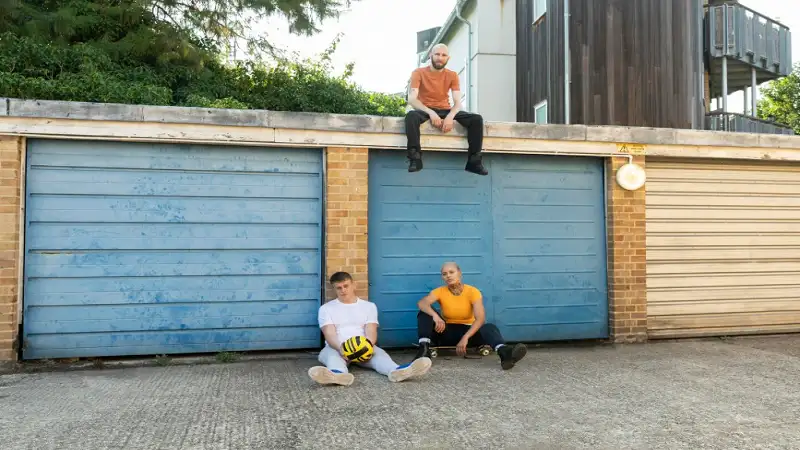
You have an annexed garage in your garden. It’s underused. It’s taking up space. But suppose you turned it to some purpose? A guest room. A home office. An annexe. Garage conversion is the transformation of the wastage space into the living room.
Be it that you want to know what is actually do-able with a detached garage conversion and be it that you want to know what the rules of planning applied and what the cost of the building would be, we are here to tell you that this method is or is not to be employed on your property. You may wish to know more about what is involved in the difference between detached garage conversions and attached conversions or what sort of designs can be put into effect, you will find out why this form of conversion is viable and in most cases cost efficient.
Detached garage conversion is not as widespread as loft conversion or extensions. Nevertheless, it is an underestimated solution to properties having an empty garage room.
Do You Need planning permission for a Detached Garage Conversion?
This is the first question. Should you be planning permission to convert your detached garage?
This depends upon what you are converting to. When you are transforming it in to a habitable room (a bedroom or an office) then planning permission is normally needed. The conversion of the garage into a residential should be a material change, which has to be approved.
There are however some conversions that may be considered as Permitted Development. If the garage is small. If you’re not extending it. In case you are only converting the interior. These are sometimes qualified without permission to plan.
But conditions apply. Your property type matters. Your location matters. It does make a difference whether you are in a Conservation Area or are close to listed buildings.
The best way to do it is to assume that you must have planning permission and to ask your local council to confirm that. It is better to seek permission in the beginning than to find out in the middle of the project you could have sought permission.
Regardless, building Regulations does apply. The transformed area must be up to the current standards. Insulation. Ventilation. Electrical safety. Structural adequacy. Regulations approval Building regulations approval is compulsory.
In London, the majority of detached garage conversions are obliged to be planned. The requirement is provoked by the shift of the use of garage to residential. Design must be respectful to the neighborhood. Planning Committees give the green light sometimes. Sometimes they refuse.
Extension Architecture evaluates your particular property and conversion concept. They advise you on the need of planning permission. They take you through the approval procedure in case it is.
How to Convert a Detached Garage into Living Space in the UK
Converting a detached garage involves several steps. Understanding the process helps you understand timeline and costs.
Assessment – Someone inspects the garage. Assesses structural condition. Identifies complications. Determines what’s actually possible.
Design – An architect or designer creates plans showing the conversion. What rooms. What layout. How utilities connect. What structural work is needed.
Planning application – If needed, plans are submitted to the local council. The committee reviews. Approval or refusal happens.
Building Regulations – Detailed compliance drawings are created. Structural engineer assesses the building. Building Control approves before work starts.
Utility connections – Electricity needs to be run to the garage if not already there. Water and plumbing if bathrooms are planned. Heating if the building needs warmth.
Structural work – If the garage doesn’t meet Building Regulations standards, reinforcement happens. Sometimes foundations need work. Sometimes roof reinforcement. Sometimes wall reinforcement.
Insulation and weatherproofing – The garage needs proper insulation. Proper windows. Proper doors. The converted space needs to be comfortable year-round.
Internal finishing – Walls. Flooring. Ceilings. Electrical outlets. All the details that make it a functional living space.
Building Control sign-off – Final inspections. Certifications proving everything meets Building Regulations.
Timeline is typically 4 to 6 months from design through completion. Shorter than major extensions because the structure already exists. You’re modifying not building from scratch.
Detached Garage Conversion Ideas for Extra Rooms & Annexes
Different ideas work for different properties and needs.
Guest room – Convert the garage into a proper bedroom. Bed. Wardrobe. Ensuite bathroom maybe. Perfect for visiting relatives. Increases property value.
Home office – Convert into a dedicated workspace. Desk. Storage. Proper lighting. Separate from your main house. Growing in popularity post-pandemic.
Studio apartment – Convert into a self-contained unit. Small kitchen. Bedroom. Bathroom. Rent out as extra income. Annexe housing for family members.
Games room – Convert into entertainment space. Pool table. Darts. Seating. Bar maybe. Perfect for entertaining.
Hobby room – Art studio. Music room. Workshop. Whatever your hobby needs. Dedicated space away from the main house.
Gym or fitness room – Exercise equipment. Changing area. Shower. Private fitness space at home.
Cinema room – Entertainment space with projection. Seating. Sound system. Movie watching room.
Teenager retreat – Extra bedroom for teenagers with their own space. Games room. Hangout space. Independence without moving out.
The best conversion depends on your actual needs. What would you use the space for? Design accordingly.
Single vs Double Detached Garage Conversions
Garage size determines what’s possible.
Single garage – Typically 12 to 15 square meters. Enough for a small bedroom. Office. Not enough for multiple rooms. Limited flexibility.
Double garage – Typically 20 to 30 square meters. Enough for a bedroom plus ensuite. Or two small rooms. Or a studio apartment. More flexibility.
Larger garages might offer even more options. The bigger the starting space, the more possibilities.
A single garage conversion is simpler. Fewer structural complications. Faster conversion. Lower cost.
A double garage conversion offers more flexibility. More space. More options. Slightly more complexity.
Garage Conversion Plans: Layout, Structure & Building Regulations
Design matters for functionality and approval for a house extension.
Layout – How is the space organized? Where does the door go? Where are windows? How do utilities connect? A good layout makes the space work.
Structure – Is the existing building sound? Do walls need reinforcement? Does the roof need work? Does the foundation need assessment? An engineer determines what’s needed.
Insulation – The converted garage needs proper insulation to meet Building Regulations. Walls. Roof. Floor. All need appropriate thermal properties.
Windows and doors – Windows provide light and ventilation. Doors provide access and emergency exits. Placement matters for function and safety.
Ventilation – The converted space needs fresh air. Either openable windows or mechanical ventilation. Building Regulations specify requirements.
Electrical – Circuits need to be run. Outlets placed. Lighting designed. Modern electrical standards apply.
Heating – If the space needs to be warm, heating needs to be planned. Extension of existing system or standalone heating.
Drainage – If bathrooms are planned, drainage needs to work. Connections to existing systems or new systems designed.
These technical requirements aren’t optional. Building Control verifies everything. Shortcuts create problems later.
Extension Architecture handles all these design elements. They ensure plans meet Building Regulations. They design layouts that actually work.
Costs of Converting a Detached Garage in 2026
Detached garage conversion prices are not very high but more affordable as compared to large extensions.
Turning the sound garage bedroom or office could cost 15000 to 25000. Those are structural assessment, design, Building Regulations, basic finishes.
Conversion (apartment with a bath and kitchen) of more intricacy would cost between 30000 and 50000. More plumbing. More electrical. More complex design.
The luxury finish using high-end materials will increase the prices by 20-30 per cent.
These are 2026 prices. It is expensive compared to the past. Material costs. Labor costs. Building Regulations compliance expenses.
What’s included? Structural evaluation and any additional reinforcement. Insulation. Windows and doors. Electrical installation. Plumbing if needed. Internal finishes. Building Regulations approval.
What affects cost? Existing garage condition. Size. Complexity of conversion. Finish quality. The inclusion of bathrooms or kitchens.
A garage that is in good structure is cheaper. A garage that requires major structural operation is expensive.
An easy conversion is cheaper. A conversion involving a lot of amenities is more expensive.
Why Detached Garage Conversions Make Sense
You’ve got underused space. Its conversion forms useful area. You are making the most out of what you have.
Garage conversions can be cheaper than extensions in terms of cost. The structure exists. You are not creating the new one, but changing it.
Timeframe is shorter. 4-6 months vs 6-9 months when it comes to extensions.
In the aspect of value, a well converted garage will increase the value of a property. An additional bedroom or office comes in handy. A rental able studio apartment is an income generating unit.
In cases of detached garage property, conversion is a wise way out of space issues.
Extension Architecture’s Approach
Extension Architecture works on attached garage extensions. They assess your garage. They develop suitable conversions. They also take you through planning permission where necessary. They provide compliance with Regulations of Building.
They know what is workable. What works. What adds value.
The conversion will help you out, in case you have a detached garage and you need more room. Obtain a specialist evaluation of your property. Understand your options. Obtain realistic budgets and schedules.
The garage conversion is a good solution to real problems. It creates useful space. It increases property value. It is very practical and is easily forgotten. See more